Use ChatGPT Deep Research to Prep for Interviews Like a Pro
Job hunting after a layoff is already stressful enough—don’t go into interviews blind.
When I was first laid off, I assumed I knew how to prep for interviews. But after years on the hiring side, I realized how surface-level most candidates’ research really is. The company name, a glance at their mission statement, maybe a recent press release … done!
That’s not enough anymore. Especially in cybersecurity, where understanding a company’s risk posture, product strategy, and culture can help you ask better questions, connect your experience more effectively, and demonstrate executive-level thinking.
One of my favorite tools to help with this? ChatGPT’s Deep Research.
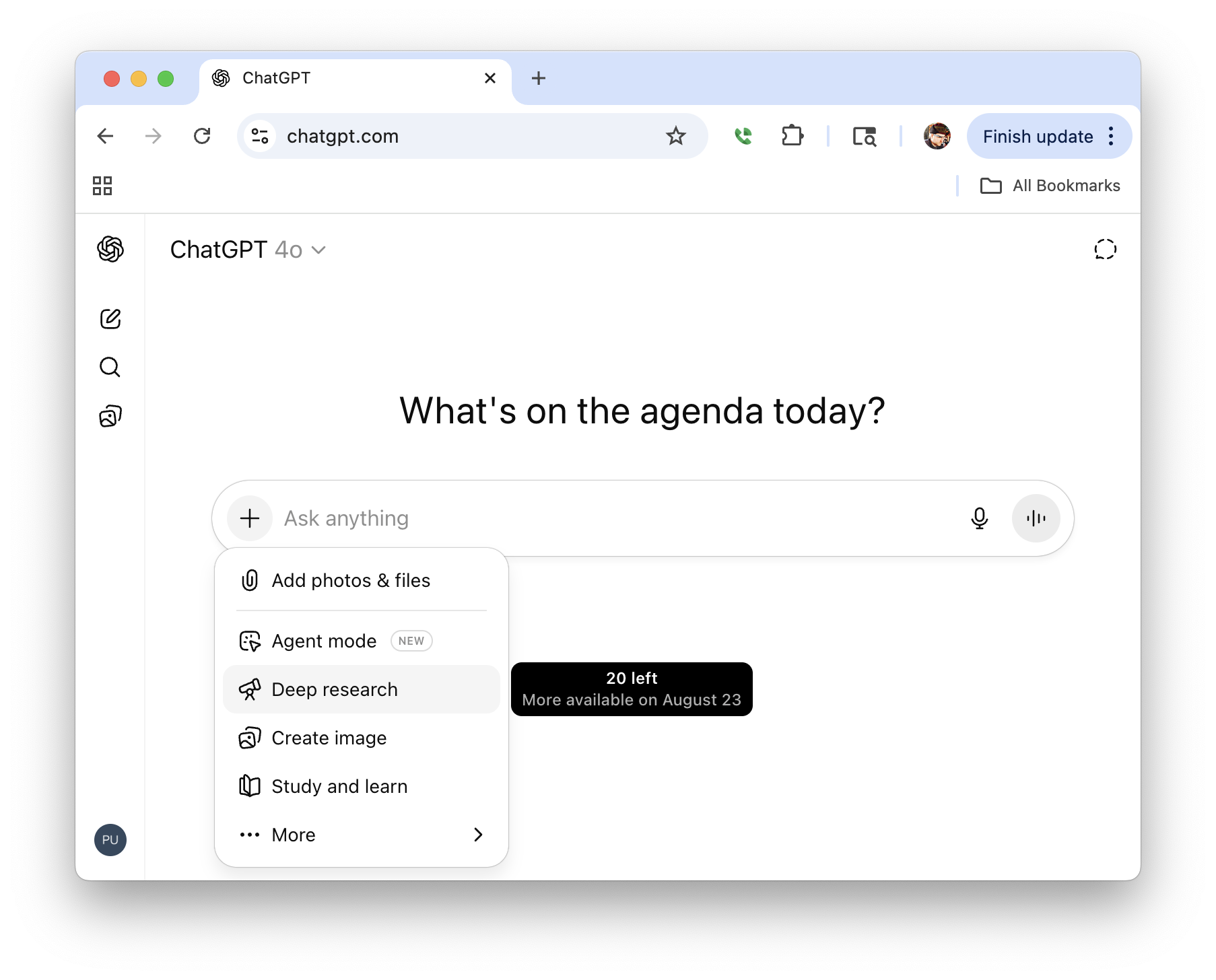
What Is Deep Research?
Deep Research is a feature in ChatGPT (available to Plus and Enterprise users) that allows you to issue targeted queries that dig into a company’s digital footprint, public data, earnings calls, employee reviews, tech stack references, press releases, product documentation, and more. It doesn’t just summarize the homepage. It finds the real story.
If you’re preparing for a cybersecurity interview, especially at the leadership level, this gives you a serious edge.
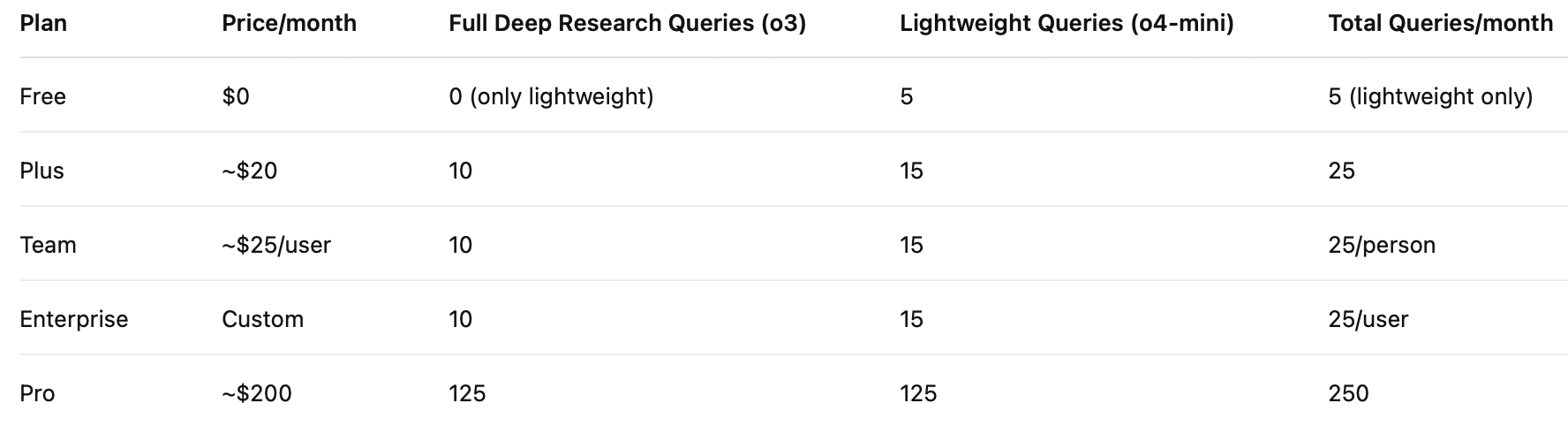
What Plan Do I Need for Deep Research?
OpenAI rolled out Deep Research, a specialized AI-powered tool to gather, analyze, and synthesize information from the web, to various ChatGPT plans starting in early 2025.
Example: Researching a Company for a Cybersecurity Interview
Let’s say you’ve got an interview coming up for a Director of Product Security role at a mid-size SaaS company. Here’s the prompt I would give ChatGPT:
Prompt:
“Act as a cybersecurity leader preparing for an interview at [Company Name]. Provide a briefing that includes:
Recent security initiatives, breaches, or compliance efforts (e.g., SOC 2, FedRAMP, PCI).
Details about the company’s cloud footprint, DevOps practices, and product architecture.
Known cybersecurity hires or org structure info.
Insights from customer reviews or press releases that might point to AppSec challenges.
The company’s values and how they relate to security culture.
Any recent news, blog posts, or product launches that may be relevant to security.
Highlight any red flags or opportunities that could shape my talking points. Structure your response in bullets and cite sources if available.”
Why This Works
This prompt frames ChatGPT to think like you, not like Google. It filters out fluff and hones in on:
What security risks they’re likely facing.
Where your skills match their strategy or gaps.
What questions you should ask in the interview to show you’ve done your homework.
Pro Tips for Tailoring the Output
Swap in your role or domain: AppSec, GRC, Threat Intel, etc.
Add specificity: If you’re targeting a regulated industry, include “HIPAA” or “GLBA”.
Use LinkedIn for intel: If you know the hiring manager’s name, ask ChatGPT to analyze their public presence: “What can you tell me about [Name]’s leadership style or career focus?”
Final Thoughts
When you’re interviewing post-layoff, you want to feel confident, not scrambling to remember when the company was founded. This kind of structured prep turns the conversation from “please hire me” into “here’s how I can help you solve real problems.”
ChatGPT’s Deep Research makes that easy; even on a time crunch.